Unmanned Aerial Vehicles at Work: Revolutionizing Industries One Flight at a Time.


The rise of unmanned aerial vehicle technology has transformed the landscape of multiple industries, opening up new possibilities for productivity and creativity. As we observe drones becoming an critical part of sectors such as agriculture, building, property, and even catastrophe management, the function of drone pilots has never been more crucial. These experts are not just users; they are proficient technicians and planners who understand the nuances of managing regulations, equipment, and surrounding factors.
Maneuvering through the multifaceted world of drone operation demands a deep understanding of various technical aspects and regulations. Starting with knowing how to submit requests for FAA Part 107 waivers to ensure safe night flights, to maintaining compliance when operating over people, drone pilots must be armed with a comprehensive skill set. Furthermore, the ability to calibrate equipment properly, process data for cartography and surveying, and prolong the lifespan of their drones can significantly impact the success of their missions. As industries continue to adopt drone technology, the demand for expertly trained drone pilots is predicted to grow, making it crucial to explore both the obstacles and innovations in this developing field.
Navigating through FAA Regulations regarding Commercial Drone Operations
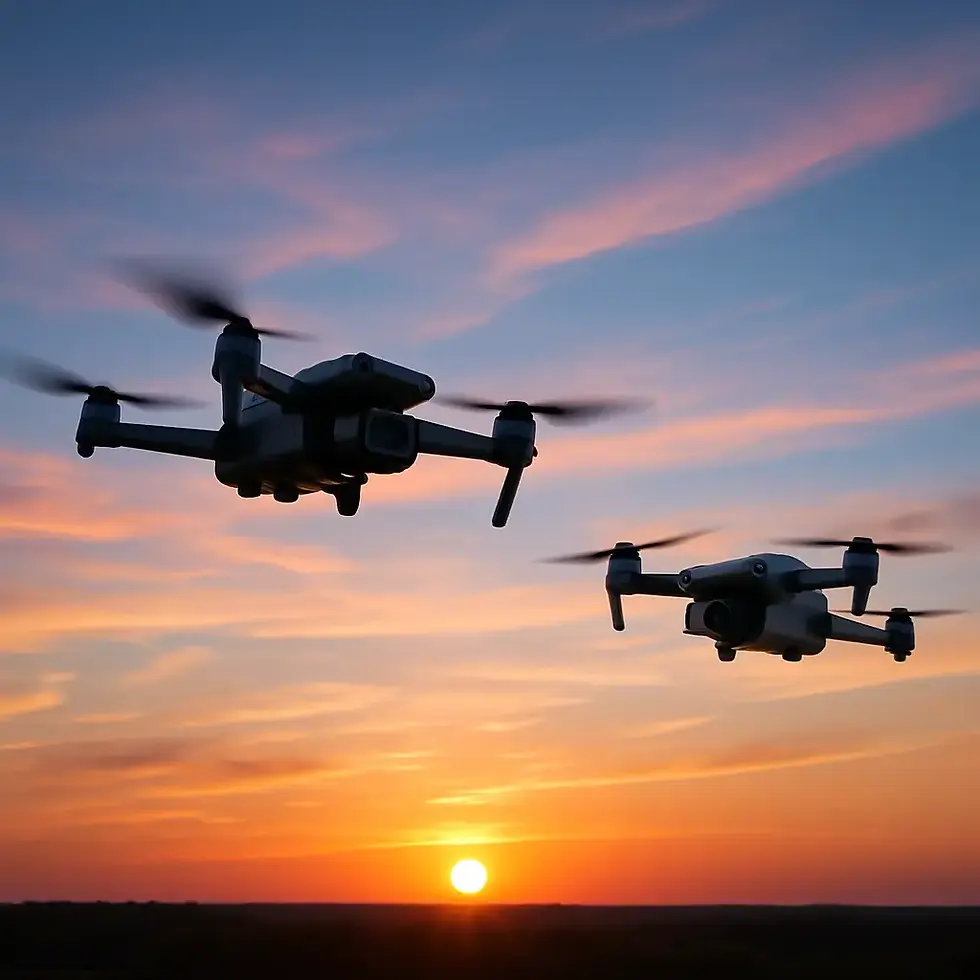
Understanding FAA regulations is vital to any drone pilot intending to conduct flights in a commercial capacity within the US. The Part 107 guidelines offer a framework to ensure the safe use of drones, which includes a variety of operational protocols. To operate legally, pilots are required to obtain a Remote Pilot License, which necessitates passing the FAA's knowledge test and grasping key regulations, including airspace classifications and operational limits. By mastering these rules, pilots guarantee their own safety but also the safety of those around them and maximizing their commercial potential.
One of the most significant challenges faced by drone pilots arises in managing airspace restrictions, especially controlled airspace near airports. Using the Low Altitude Authorization system is critical to secure obtaining real-time airspace authorizations. Pilots need to learn with the required documentation required to clear controlled airspace using this system to facilitate their operations. This comprehension empowers pilots to perform missions smoothly and remaining within regulations with FAA regulations.
An additional important area involves navigating the various exceptions and waivers that can be obtained under Part 107. For instance, to operate drones at night or above individuals, pilots are required to apply for specific waivers that specify safety procedures and operational limits. The process can be intricate, yet with sufficient preparation and documentation, pilots are able to improve their operational capabilities greatly. Comprehending the nuances of these regulations and recording clear flight logs can also be essential in maintaining compliance for commercial evaluations and reviews.
Essential UAV Technologies for Precision and Security
Advancements in UAV technology have significantly improved the abilities of drone operators, particularly in terms of precision and security. One important innovation is the Real-Time Kinematic & PPK GPS adjustment systems. These systems allow for centimeter-level accuracy in surveying, which is critical for uses like terrain mapping and construction site measurements. Comprehending the functionality of these systems can make a significant difference in data accuracy and dependability.
Another crucial aspect of UAV functioning is the implementation of data information. Instant flight data delivers pilots with important insights into the drone's performance as it navigates its environment. This includes signal degradation alerts, which are vital for preventing loss of control. Effective monitoring of this data allows drone operators to make preventive changes during flights, ensuring that security is prioritized while ensuring maximum flight performance.
Furthermore, battery management plays a key role in both safety and operational efficiency. Being aware of what counts as acceptable battery deterioration before retiring LiPo flight batteries can avoid unexpected failures during operations. Proper care and timely substitution of batteries not only improve flight safety but also aid to prolonging overall operational life and reliability of the UAV. As UAV tech continues to develop, focusing on these critical areas will equip pilots with the resources they need for success.
Optimal Strategies for Commercial Drone Flight and Maintenance
To guarantee the protection and performance of drone operations, keeping a detailed flight log is vital for commercial use. This log should document specific information such as flight dates, times, locations, and purposes, along with any occurrences that happen during operation. A well-organized flight log not only aids in evaluating the performance and reliability of the drone but is also essential for commercial insurance audits, where underwriters seek evidence of compliance and risk management.
Regular servicing of drones is another vital aspect of commercial operations. This comprises thorough inspections of all components, paying attention especially on the camera sensors and gimbal bearings. Cleaning these parts regularly prevents distortion in imagery and secures smoother operations. Additionally, keeping up with firmware updates is necessary not only for performance improvement but also to avoid unexpected resets of custom settings, which can impede flight performance.
In traversing the complexities of airspace regulations, knowing how to use resources like LAANC to clear controlled airspace is crucial. Understanding how Drone Pilots Snizort Inverness-shire can impact flight restrictions near regional airports will assist drone pilots in preparing their operations effectively. By adhering to these best practices, drone pilots can optimize both flight performance and compliance with legal requirements, ultimately leading to successful commercial missions.