Transitioning from Hobbyist becoming Professional : The Experience of a UAV Operator


The rise of drone technology has transformed countless industries, paving the way for hobbyists to turn their interests into thriving professions. As more individuals across the globe pick up drone piloting, many are exploring ways to understand the challenges of becoming a certified commercial pilot. From grasping regulations set by the FAA to becoming proficient in the technical aspects of aerial photography and data collection, this journey can be thrilling and intimidating.
For those who aspire to be professional drone pilots, expertise is crucial. It requires beyond just flying a drone; it requires a thorough knowledge of the regulatory environment, technical skills, and best practices. Whether it's learning how to obtain waivers for night flying or mastering the nuances of photogrammetry, each step equips aspiring pilots for a rewarding career in this fast-evolving field.
Addressing Compliance Issues
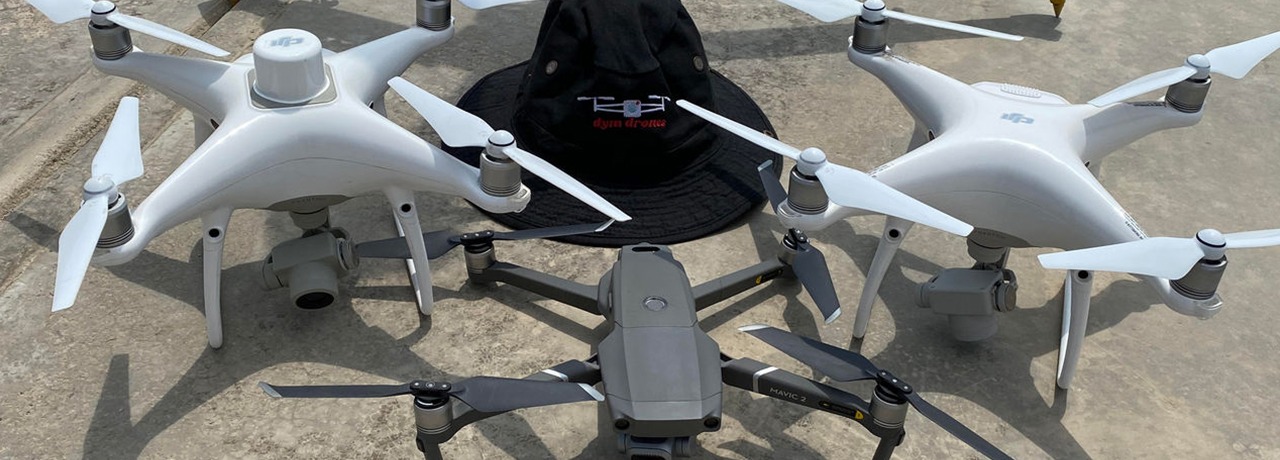
The journey from a recreational pilot to a certified drone pilot involves navigating a challenging regulatory landscape. One of the essential components is comprehending FAA Part 107 regulations, which outline how commercial drone operations should be carried out. Securing waivers for night flying and operations over people can be vital for expanding business capabilities. This requires comprehensive documentation and a strong safety case, as the FAA reviews applications to guarantee public safety is prioritized.
Another important regulatory aspect is the need for operators to obtain clearance for controlled airspace using the Low Altitude Authorization and Notification Capability (LAANC) system. This system allows drone pilots to obtain real-time clearance for flights in controlled airspace and know the particular documentation required. Proficiency with LAANC can save time and facilitate compliance, making it crucial for professional drone pilots who regularly operate near airports or in urban areas.
Moreover, maintaining operational compliance is not confined to understanding airspace and waivers. Certified pilots must also acquaint themselves with the technological implications of their equipment. For example, magnetic interference can influence the drone's compass and inertial measurement unit (IMU) calibrations, possibly leading to flight issues. Keeping up about such technical challenges, along with regulatory obligations, is essential for securing safe and successful drone operations.
Technological Aspects for Unmanned Aerial Vehicle Missions
Understanding the technical features of unmanned aerial vehicle missions is vital for professionals aiming to provide high-quality performance. Drone Pilots Inverness Inverness-shire is how to navigate FAA Part 107 exemptions for night flying and operations over people. Users must be knowledgeable in the application process, including the required justification for the exception and how to illustrate adequate safety protocols. Maintaining adherence not only improves safety but also maintains lawful operations, which is essential in the competitive commercial drone industry.
The incorporation of cutting-edge technologies also holds a major role in proficient drone missions. For Drone Pilots Cawdor Inverness-shire , understanding how magnetic interference affects the drone's compass and IMU calibrations can prevent navigation errors that could cause crashes or loss of control. Additionally, knowing the differences between mechanical and electronic shutters in drone mapping can assist pilots select the appropriate equipment for their specific needs, ultimately influencing the caliber of their data capture and processing.
Lastly, detailed planning and record-keeping are essential in professional drone operations. Structuring a professional flight log particularly for commercial insurance inspections is a practice that not only fulfills regulatory standards but also shows professional accountability. Furthermore, understanding what drone insurance providers look for in a commercial liability insurance policy allows pilots adjust their operations to fulfill industry standards, protecting both themselves and their clients.
Best Practices for Effective Drone Operation
Proficient flight management is crucial for any commercial drone pilot. One of the key practices is to maintain thorough and accurate flight logs, especially when it relates to business insurance audits. A properly organized flight log should record flight times, locations, conditions, and any issues encountered during operation. This not only helps in meeting with insurance requirements but also helps in analyzing performance and improving future flight planning.
Another important aspect of flight management is grasping and adhering to airspace regulations. Get acquainted yourself with the different airspace classifications and how they affect flight altitudes, particularly near local airports. Utilize resources like AeroNav VFR Sectional Charts to plan your routes strategically. This guarantees that you operate within legal boundaries while maximizing the safety and efficiency of your flights.
Consistent maintenance and pre-flight checks are also critical for maintaining operational integrity. Checking drones for any signs of deterioration, cleaning camera sensors, and ensuring the functionality of components, such as gimbals and propellers, can stop mid-flight failures. Furthermore, staying updated on firmware and software can aid mitigate unexpected performance issues, making your flights safer and more trustworthy in a certified setting.