Protection Prioritized All: Top Practices for Unmanned Aerial Vehicle Operators


A swift development of drone advancements has opened exciting possibilities for airborne pictures, precision surveying, and commercial inspections. As drone operators dive into these exciting prospects, safety remains the foremost priority. With stringent regulations and dynamic conditions, understanding safety protocols is essential not only for adherence but also for improving flight safety and efficiency.
In this article, we will explore key factors that all UAV pilot should keep in mind. From navigating Federal Aviation Administration rules for after-dark operations and flying over individuals, to comprehending the specific paperwork required for restricted areas entry, each detail plays a key role in guaranteeing safeguarded operations. We will also delve into the intricacies of UAV upkeep, mission planning, and information management to provide pilots with the skills necessary to perform their tasks effectively while maintaining the highest safety standards.
Navigating FAA Regulations and Exemptions
Comprehending and abiding with Federal Aviation Administration regulations is vital for maintaining security and compliance in drone operations. For UAV pilots flying under Part 107, there are specific regulations regulating flight conditions, including limitations for operations at night and over people. When pilots wish to conduct operations that deviate from these regulations, they must apply for a exemption. Gaining a waiver involves providing a detailed plan that demonstrates how safety will be maintained, including detailed operational procedures and risk assessments.
In addition to after-dark flying and flights over people, many drone pilots need to clear controlled airspace to perform their missions. This process can be simplified through the Low Altitude Authorization and Notification Capability (LAANC) system, which enables for real-time authorizations. Pilots must file the necessary forms, such as the site and purpose of the flight, to secure access to airspace that would otherwise be limited. Grasping the LAANC system is vital for effective flight planning and compliance.
Lastly, safety and compliance extend beyond merely managing regulations. Pilots must also be mindful of the technological challenges posed by their drone equipment, including issues related to magnetic interference affecting compass and Inertial Measurement Unit (IMU) calibrations. https://hoover-steffensen-2.mdwrite.net/the-art-and-study-of-drone-aerial-imaging-a-drone-operators-perspective is crucial for secure flight and precise data collection. By staying informed about these technical factors and regulatory requirements, drone pilots can guarantee they operate within the law while maximizing the security and efficacy of their flights.
Comprehending UAV Systems and Upkeep
To secure optimal efficiency, drone pilots must have a thorough grasp of the systems that drives their aircraft. This entails knowing the variances between traditional and electronic shutters, notably in UAV mapping uses. Mechanical curtains often reduce blur during motion and distortion, rendering them suitable for capturing high-quality photos in changing settings. In comparison, electronic shutters can introduce artifacts but are more lightweight, which can be advantageous in weight-sensitive operations. Awareness of these distinctions enables operators to pick the appropriate gear based on their unique demands.
Upkeeping a UAV is essential for its longevity and reliability. Frequent cleaning and care of camera sensors and gimbal components are critical tasks that stop deterioration of image quality and secure smooth functioning during flights. Strong winds and low temperatures can significantly reduce flight times, so operators should routinely check battery status, including permissible degradation levels for LiPo packs. Keeping up with Drone Pilots Inverness Inverness-shire improves safety during flights but in addition prolongs the overall duration of the gear.
Additionally, grasping how various elements impact flight performance, such as weight of cargo on battery life and center of mass, is crucial for effective UAV operation. Pilots should also pay attention to environmental conditions and the capabilities of their drones, which includes real-time data that can provide invaluable insights during flight. By merging technical knowledge with diligent upkeep routines, drone operators can enhance their performance while ensuring safety above all.
Enhancing Flight Activities and Safety
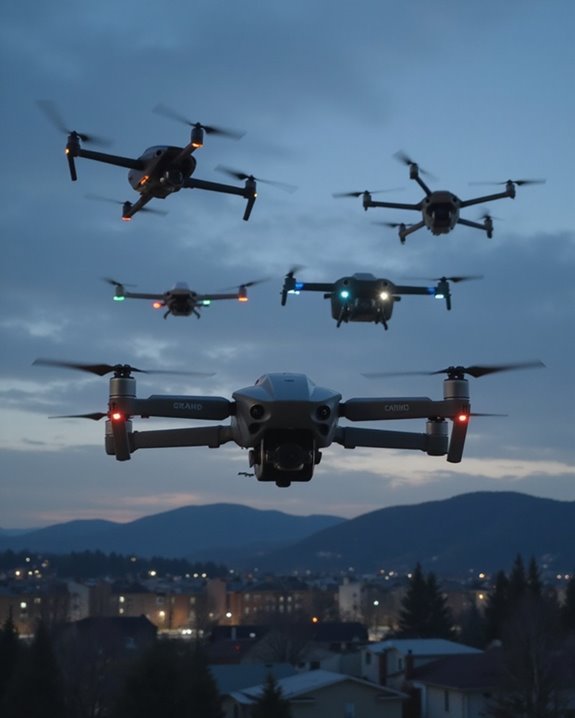
Streamlined flight operations commence with comprehending the legislative framework in which drone pilots operate. For those traversing complex airspace, gaining authorization using LAANC can streamline operations, particularly planning to execute flights adjacent to controlled airspace. By confirming the specific documentation is readied and submitted well in advance, pilots can lessen delays and boost the safety of their flights. Additionally, familiarizing oneself with Temporary Flight Restrictions (TFRs) can prevent accidental violations that could lead to grave consequences.
The integrity of the drone is of utmost importance for safe operations. Routine maintenance and inspections, such as inspecting propellers and balancing them, help ensure safe high-RPM flight compliance. Moreover, understanding the impact of payload weight on battery lifespan and center of gravity can influence flight times and stability. Pilots should also be vigilant about battery health, understanding what counts as acceptable degradation before decommissioning LiPo flight packs to avoid mid-flight failures.
Finally, integrating advanced tools and techniques can elevate safety standards. Utilizing Drone Pilots Cawdor Inverness-shire -Time Flight Telemetry Data and watching signal degradation warnings are vital to stopping flyaways. Employing practices like thermal imaging for structural assessments additionally improves operational safety. By prioritizing these actions and maintaining clear communication with visual observers to uphold visual line of sight, drone pilots can ensure a safer and more productive flying experience.